B-Open

Low Entry Conversion Solution

b open icon big

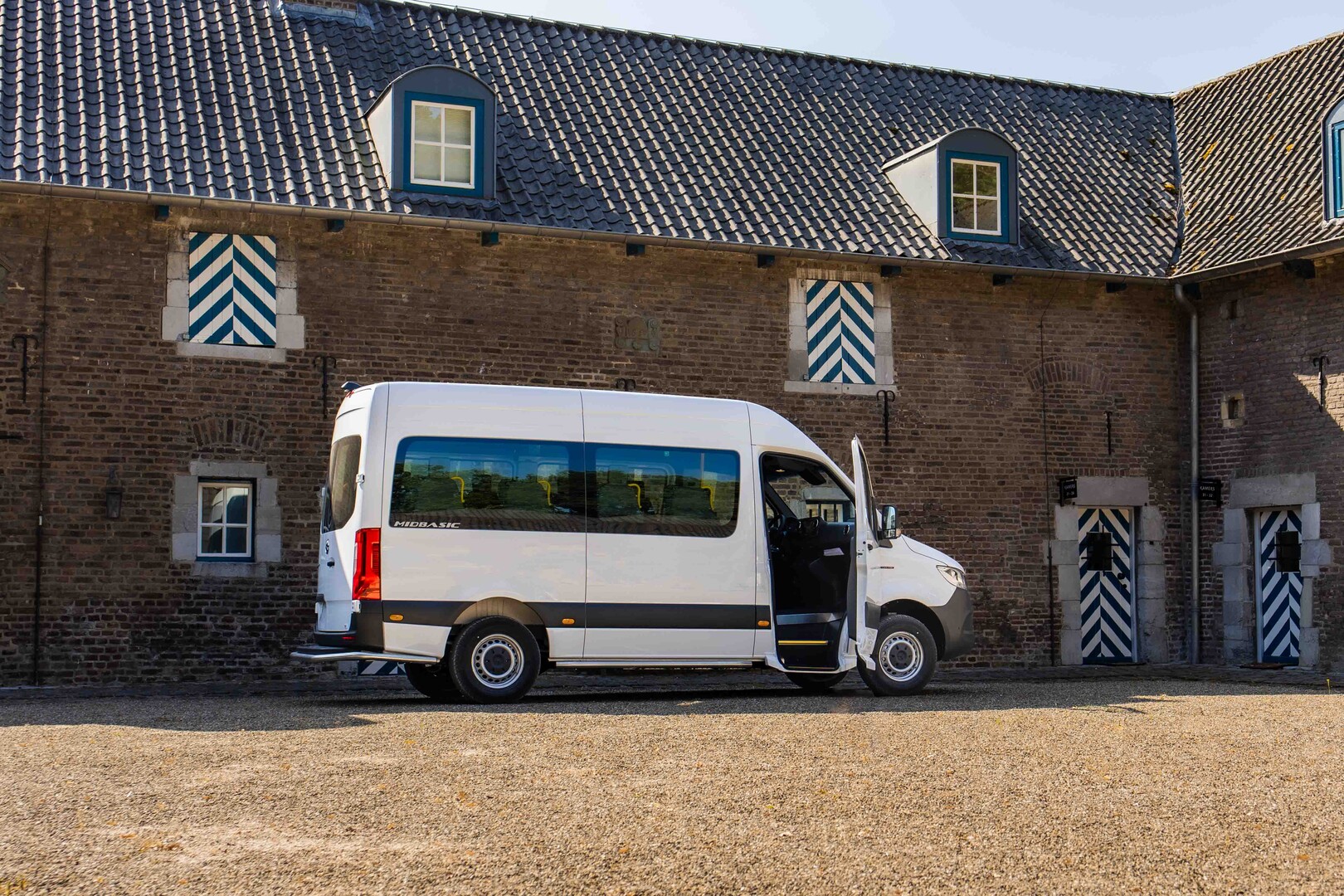
A low entry conversion lowers the passenger entrance of a minibus or passenger vehicle. This reduces the height passengers need to overcome when boarding. B-Style developed B-Open as its low entry conversion solution for professional vehicle converters. The system integrates a lowered passenger entrance directly into the vehicle structure. The system is designed around vehicle-specific engineering, efficient installation and professional finishing. B-Open is currently available for left-hand-drive Mercedes-Benz Sprinter models.

What Is B-Open?

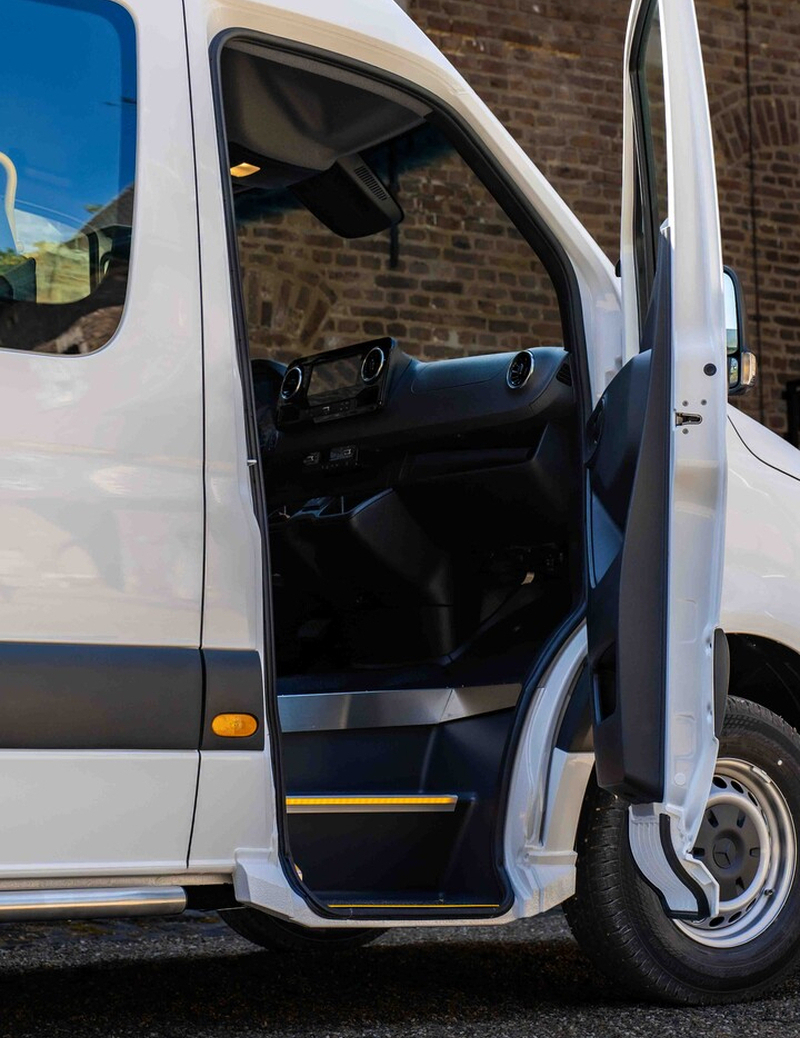
B-Open is B-Style’s integrated low entry conversion system for passenger transport vehicles. The system lowers the actual boarding area and creates a permanent entrance within the vehicle conversion. This makes access easier for elderly passengers and people with reduced mobility.

For converters, B-Open is developed as a pre-engineered system. The main structural and finishing components are designed to work together during installation. The current B-Open solution is available for the Mercedes-Benz Sprinter LHD.

Low entry conversion for passenger transport vehicle

What Is a Low Entry Conversion?

A low entry conversion modifies the passenger entrance and reduces the step from ground level to the vehicle floor.

This is especially useful for vehicles with a relatively high original entrance. Passengers can enter and leave the vehicle with less effort.

Unlike an external step, a low entry lowers the actual boarding area. The entrance becomes an integrated part of the vehicle structure.

This makes low entry particularly suitable for passenger transport with frequent boarding and exiting.

How Does a Low Entry Conversion Work?

A low entry modifies the vehicle structure around the passenger entrance. The exact design depends on the vehicle platform and entrance position. A vehicle-specific lowered section is integrated into the original structure.

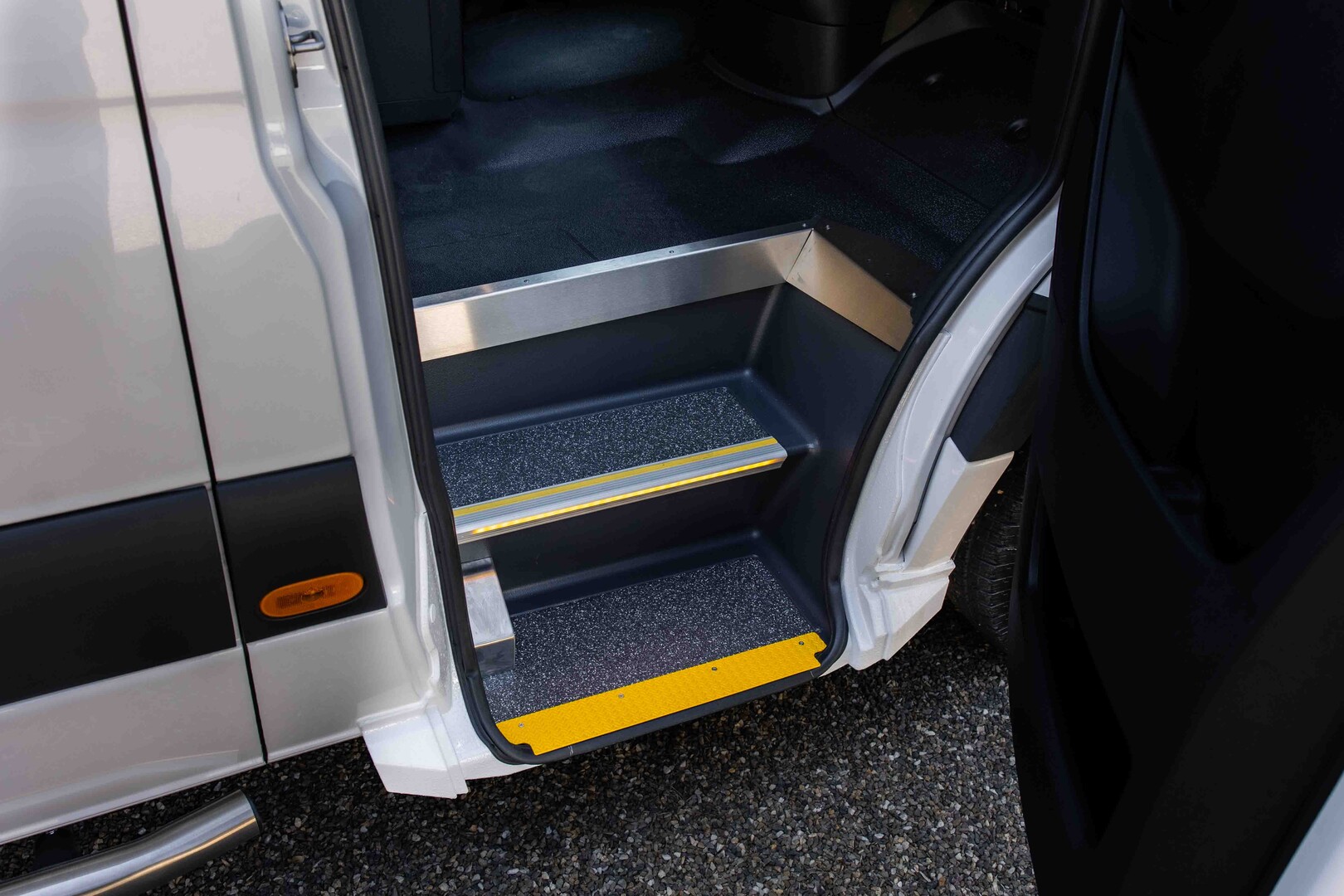
Suitable flooring, sealing and trim components complete the entrance area. Vehicle-specific engineering allows the structural and finishing parts to function as one system. This also reduces custom fabrication for professional converters. The result is a more consistent and repeatable installation process.

Low Entry vs. External Vehicle Step

A standard entrance, external step and integrated low entry each offer different levels of passenger accessibility. The right solution depends on the vehicle, passenger group and frequency of use. Below, you read more about the differences between these entry solutions. 

Standard Vehicle Entrance: Original Floor Height

A standard vehicle entrance keeps the original floor height and factory boarding steps. No structural modification is required. This option works well when the vehicle mainly transports fully mobile passengers. It also keeps the conversion process relatively simple. The disadvantage is that the original boarding height remains unchanged. Larger steps can be uncomfortable for elderly passengers or people with reduced mobility. For frequent passenger transport, the standard entrance can also slow boarding. A lower access solution may then be more practical.

External step: An Additional Boarding Step

An external vehicle step adds an extra step below the original passenger entrance. This reduces the height difference between individual steps. It can be useful when easier boarding is required without modifying the vehicle entrance itself. Installation can also be relatively straightforward.

However, the original floor height remains unchanged. Passengers still need to reach the standard vehicle entrance after using the additional step. External components can also face road debris, weather and daily wear. This can increase maintenance requirements during intensive use. An external step can therefore suit moderate accessibility needs. Frequent passenger transport may benefit more from an integrated low entry.

Integrated low entry: Lowered Passenger Entrance

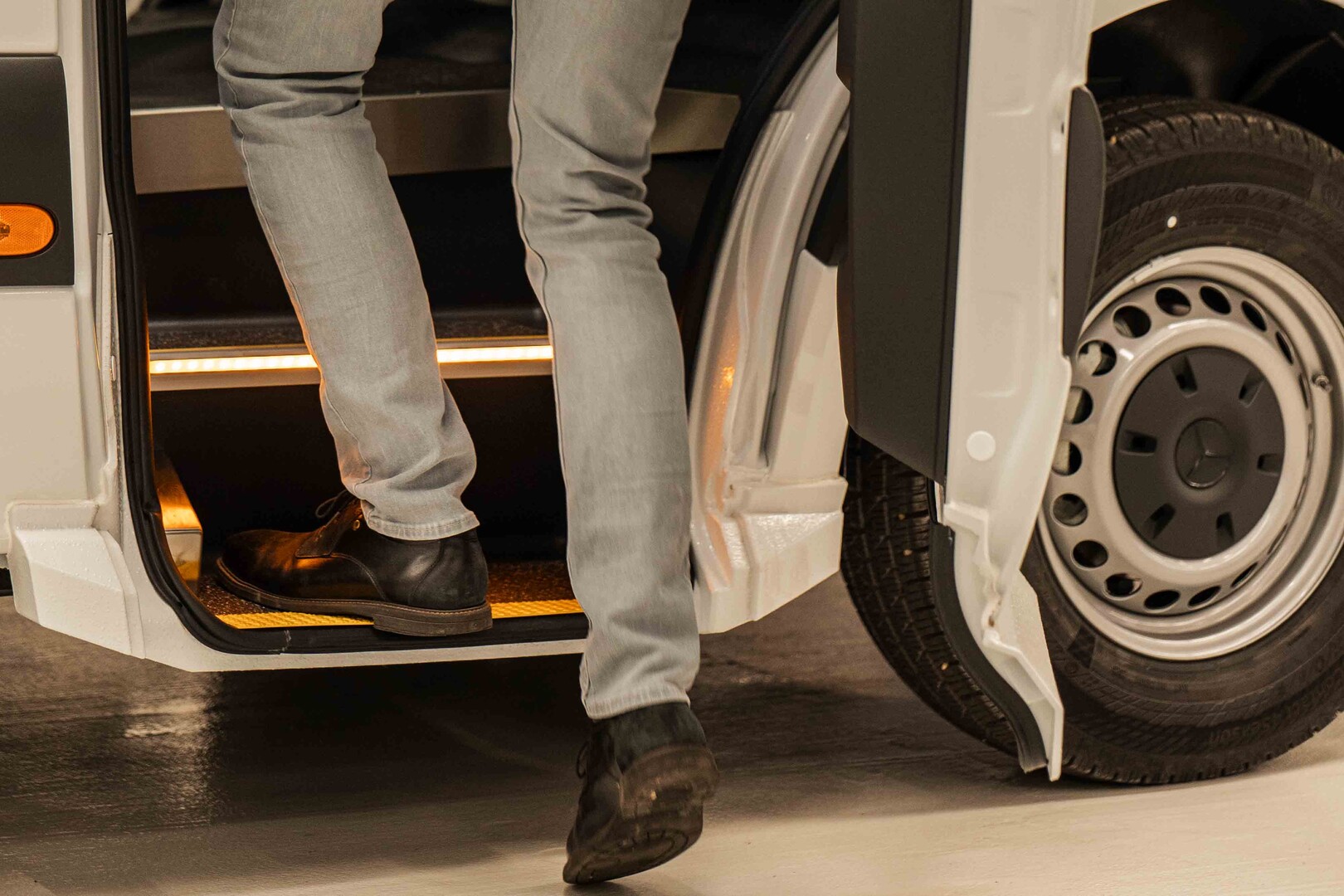
An integrated low entry lowers the actual passenger entrance as part of the vehicle conversion. This reduces the total height passengers need to overcome when boarding. It is especially useful for frequent passenger transport. Elderly passengers and people with reduced mobility can benefit from the lower boarding point. Operators can also achieve smoother passenger flow during frequent stops.

Because the entrance is integrated into the vehicle, no additional external step is required. A low entry does require vehicle-specific engineering and professional installation. A pre-engineered system can make this process more efficient and repeatable.


B-Open integrated low entry conversion system

When Is a Low Entry the Right Choice?

A low entry is particularly useful when passengers enter and leave the vehicle frequently. It is also relevant when the original entrance is relatively high. This is common with minibuses and larger passenger vehicles.

Typical applications include:

  • Community transport
  • Group transport
  • Shuttle services
  • Accessible passenger transport
  • Passenger minibuses
  • Transport for elderly passengers
  • Mobility and care transport

These applications often involve passengers with different mobility levels. A lower entrance makes boarding easier for elderly passengers and people with reduced mobility. It can also improve passenger flow during busy transport operations. For professional converters, the solution can create additional opportunities for accessible passenger vehicle projects.

Does a Low Entry Make a Vehicle Wheelchair Accessible?

A low entry improves passenger access, but it does not make a vehicle wheelchair accessible by itself.

Wheelchair transport requires additional equipment. This includes suitable wheelchair access, restraint systems and dedicated wheelchair positions.

B-Open can be combined with the B-FiT floor system for suitable vehicle configurations. This gives converters more flexibility for seated and wheelchair passenger layouts.

Benefits for Professional Vehicle Converters

Passenger accessibility is only one part of a successful low entry conversion. The installation process also matters for professional converters. A vehicle-specific system reduces the need for custom fabrication in the workshop. Pre-engineered components also make installations easier to repeat. This is particularly valuable for converters producing several vehicles with the same specification.

Key benefits include:

  • Less custom fabrication
  • Vehicle-specific components
  • More consistent installation
  • Suitable for series conversion
  • Clear installation documentation
  • Professional finishing
  • Technical support

B-Style develops the structural components, finishing parts and installation method as one complete system. For B-Open, the installation follows a bolt-on approach and requires no welding. This helps reduce specialist fabrication work.

The development process also includes engineering, component design, testing and technical documentation. For the B-Open low entry, technical test documentation is available. B-Style is also a Mercedes-Benz VanPartner.

Available Low Entry Solution: Mercedes-Benz Sprinter

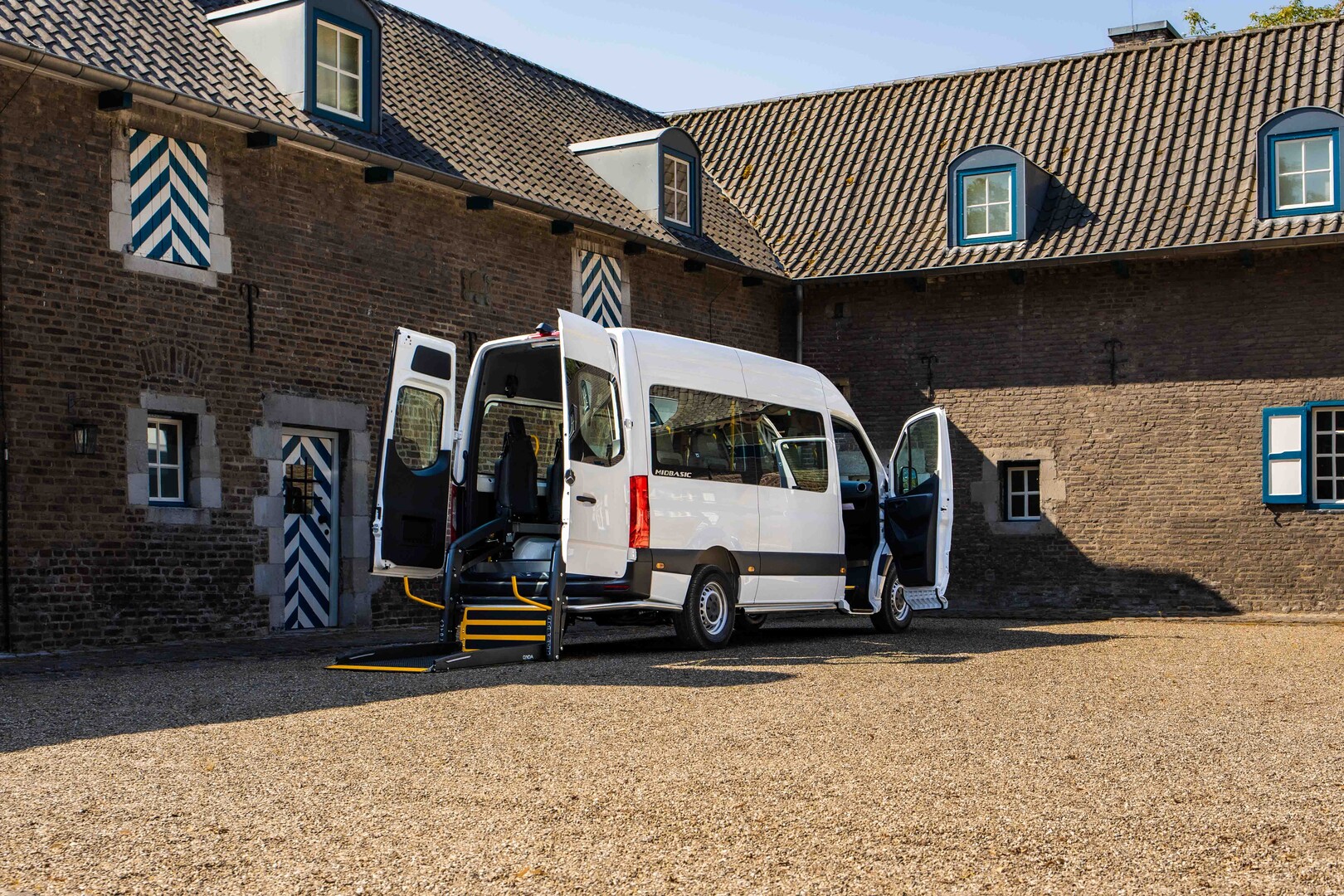
B-Style currently offers the B-Open low entry conversion for left-hand-drive Mercedes-Benz Sprinter vehicles. The system creates a lowered passenger entrance at the front passenger side of the vehicle.

For full technical specifications, configuration possibilities and kit contents, visit the Mercedes-Benz Sprinter Low Entry Conversion page.

Lowered passenger entrance for easier vehicle access
Lowered minibus entrance for elderly passengers
Mercedes-Benz Sprinter with B-Open low entry conversion

Frequently Asked Questions About Low Entry Conversions


What is a low entry conversion?

A low entry conversion lowers the passenger entrance of a vehicle to reduce the height passengers need to overcome when boarding. Unlike an external step, the entrance itself becomes part of the lowered vehicle structure.

What is the difference between a low entry and a vehicle step?

A vehicle step adds an additional boarding step while retaining the original entrance height. A low entry modifies the actual entrance area of the vehicle and lowers the boarding point itself.

Who benefits from a low entry vehicle?

Low entry vehicles are particularly useful for elderly passengers, people with reduced mobility and passenger transport operations where people frequently enter and leave the vehicle.

Does a low entry make a vehicle wheelchair accessible?

Not by itself. Wheelchair accessibility normally requires additional equipment such as a wheelchair access solution, wheelchair restraint systems and a suitable interior configuration.

Which vehicles are available with a B-Style low entry?

B-Style currently supplies the B-Open low entry conversion for left-hand-drive Mercedes-Benz Sprinter models.

Does the B-Open low entry require welding?

No. The B-Open Mercedes-Benz Sprinter conversion is designed as a bolt-on installation and does not require welding.

How long does installation take?

For the B-Open Mercedes-Benz Sprinter conversion, installation takes approximately two hours when the vehicle has been prepared correctly.

In house R&D + testing facilities

Inventor of the wheelchair car in 1973

Quick installation, without welding

Worldwide delivery

How can we assist you?