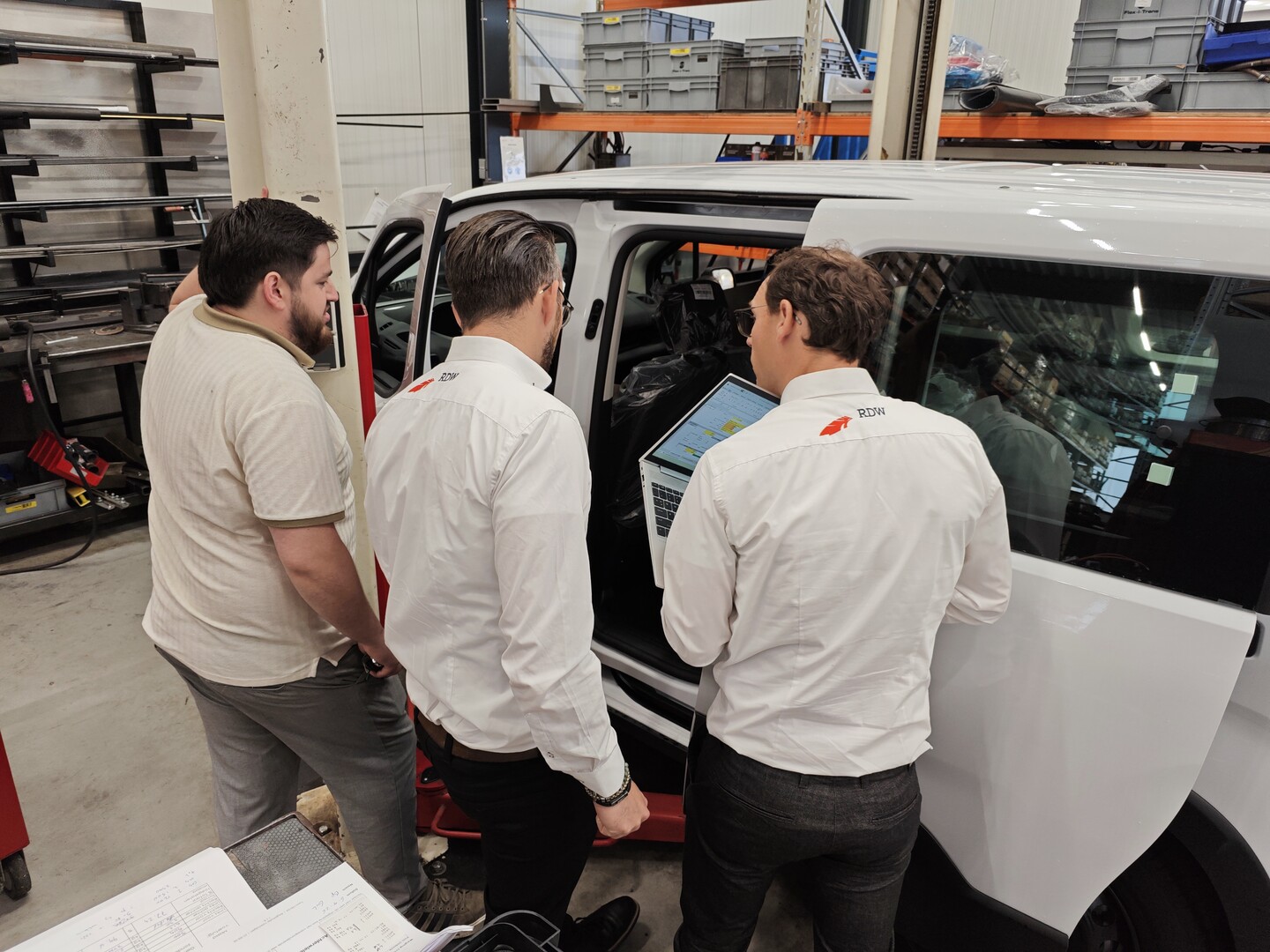
The vehicle market is becoming more diverse. Alongside petrol and diesel vehicles, professional converters increasingly work with hybrid, plug-in hybrid and fully electric platforms. For wheelchair accessible vehicle (WAV) conversions, the relevant change is not simply the introduction of new powertrains. It is the growing number of technical vehicle variants for which conversion systems must be engineered, tested, approved and documented.

This article explains how that diversity affects conversion engineering, approval scope, product definition and reproducible installation, and why these elements must align from the beginning.
Why do vehicle variants affect WAV conversion systems?

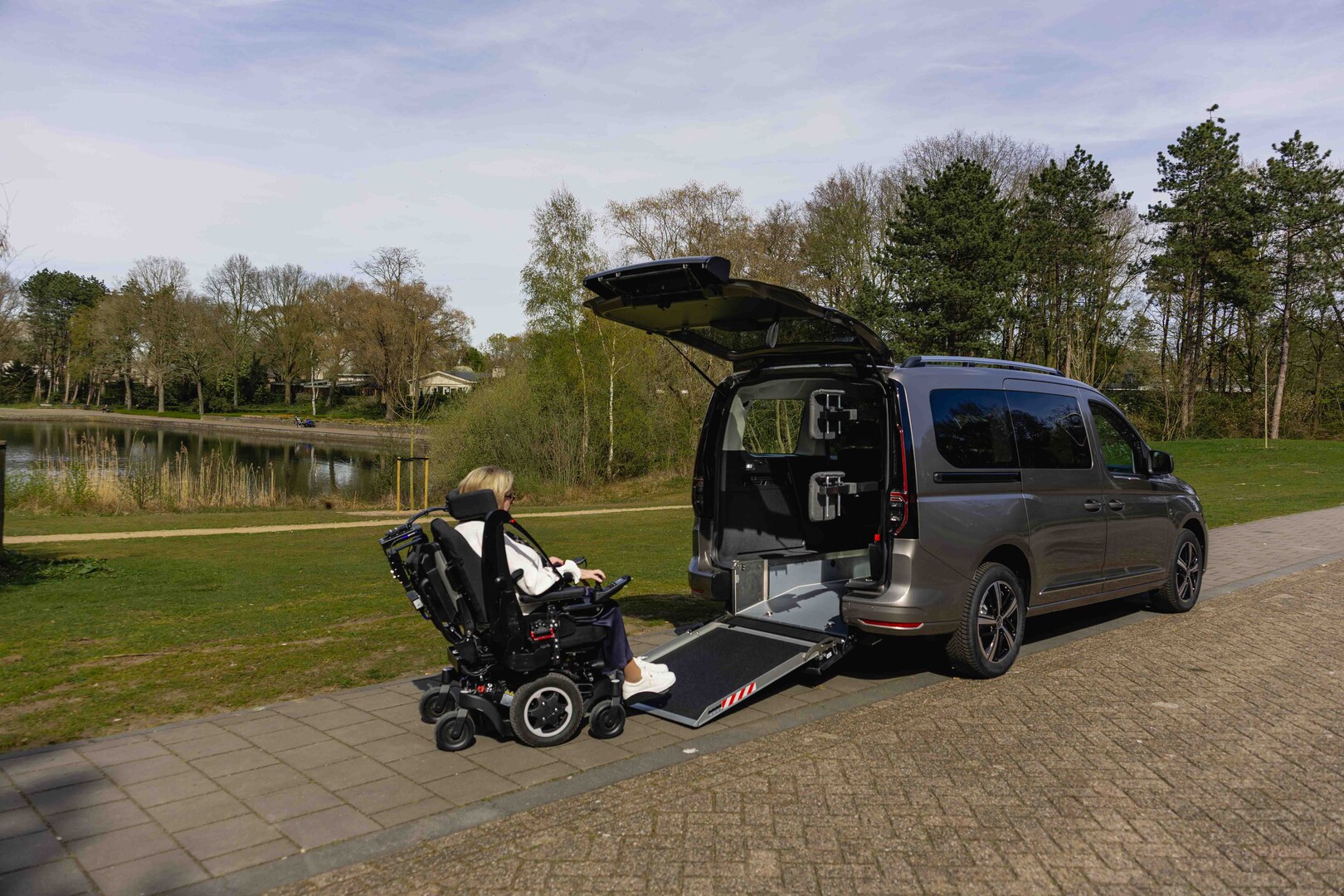
Each vehicle platform and powertrain version creates a defined technical starting point for the conversion. Original components, structural conditions, available installation space and permitted vehicle weights all influence the engineering of a lowered floor conversion.

This means that a WAV conversion kit must be developed for a clearly specified vehicle variant. Engineering, approval and installation documentation cannot be separated from the vehicle specification for which the system was designed.

Vehicle diversity increases the need for precise engineering

The available conversion area underneath the original vehicle floor is influenced by the original components and supporting structures.

In petrol and diesel vehicles, relevant components can include the fuel tank, exhaust system, rear axle and structural crossmembers. Hybrid and electric vehicle platforms introduce additional considerations, including:

  • Battery systems
  • High-voltage cabling
  • Cooling components
  • Battery protection structures

The engineering challenge is not limited to creating space around these components. Their position can influence the geometry of the lowered floor, the location of mounting points, the ramp design, ground clearance and the total weight of the completed wheelchair accessible vehicle conversion.

Each WAV conversion solution must therefore be developed around a defined technical specification. This specification provides the basis for engineering, testing, vehicle approval and installation.

Exterior dimensions do not define the conversion possibilities

A vehicle’s exterior dimensions and published load-space measurements provide only a limited indication of the space available for a lowered floor conversion. The technical possibilities depend on the relationship between the original vehicle structure and the required conversion geometry. Several factors must be assessed together:

  • The depth and length of the lowered floor
  • The available interior height
  • Ramp dimensions and ground clearance
  • Axle loads and permitted vehicle weights

These factors cannot be optimised independently.

Increasing the depth of the lowered floor may create more interior height, but it can also reduce ground clearance or interfere with original vehicle components. Extending the lowered section may provide more usable floor space while affecting weight distribution or the positioning of conversion components.

The vehicle must therefore be assessed as one complete technical configuration rather than as a collection of separate dimensions.

WAV Conversion possibilities

A WAV conversion kit requires a clearly defined scope

A vehicle-specific WAV conversion kit must clearly state the vehicle specification for which it has been developed. This includes the relevant model, powertrain version and any additional technical conditions that determine the applicability of the conversion system. The same scope should be used consistently in product information, approval documents and installation manuals.

For professional vehicle converters, this makes it possible to identify the correct wheelchair accessible vehicle conversion kit without having to interpret whether components or procedures can be transferred between vehicle variants.

A clearly defined product scope also establishes the boundaries of the developed solution. It shows exactly which vehicle versions are covered and avoids uncertainty when manufacturers introduce additional variants within an existing model range.

Vehicle approval should be integrated into development

Approval requirements should be considered during the engineering of a wheelchair accessible vehicle conversion, not after the conversion design has been completed.

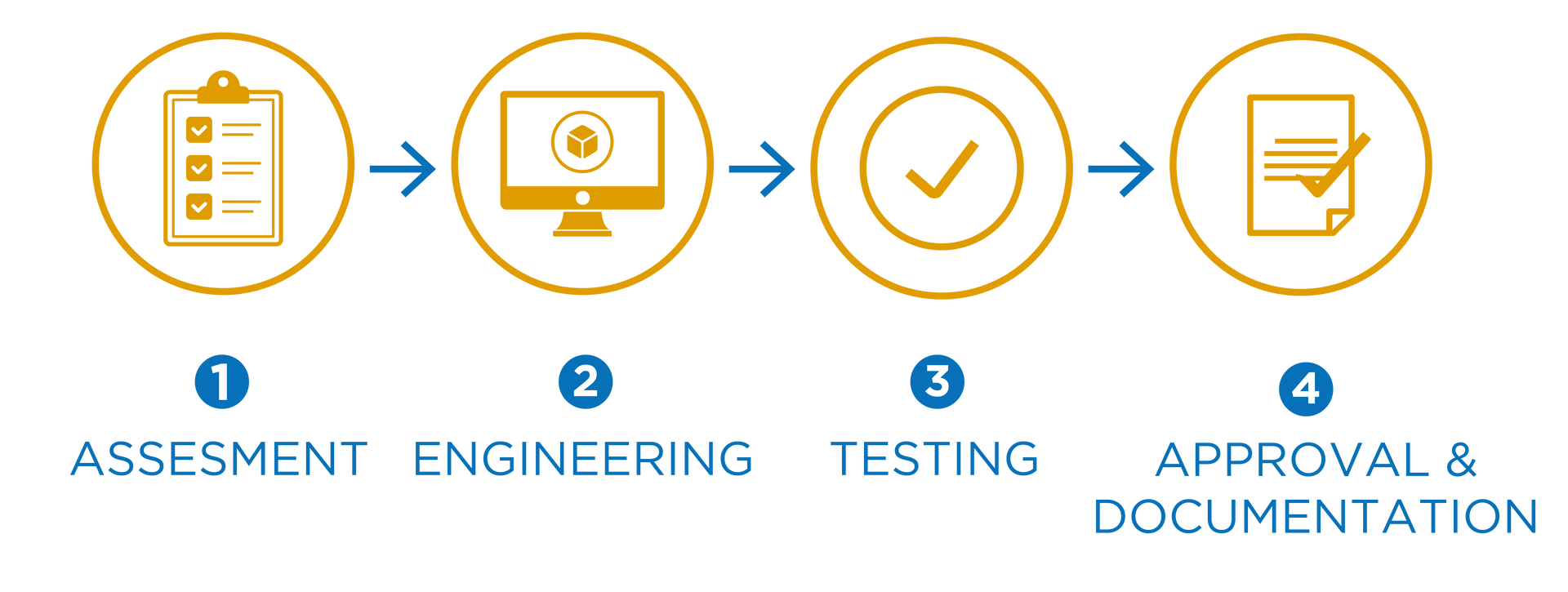
Engineering, testing, validation, documentation and approval should form one connected development process. A structured process generally includes:

  1. Assessment of the original vehicle and available conversion area
  2. Engineering of the vehicle-specific WAV conversion system
  3. Testing and validation of the developed solution
  4. Preparation of approval and installation documentation

Connecting these activities helps ensure that the approved solution matches the components and installation procedures supplied to professional converters.

It also reduces the risk of technical changes becoming necessary later in development. When approval requirements are considered from the beginning, the engineering decisions, test programme and documentation can be based on the same clearly defined conversion system.

the changing landscape of wav conversions

Reproducible installation depends on clear procedures

A technically developed WAV conversion system must be installable consistently by different professional vehicle converters.

Vehicle-specific components are one part of this process. Accurate templates, defined fastening methods and detailed installation documentation are equally important.

Installation manuals should provide:

  • Clear positioning and measurement instructions
  • A defined installation sequence
  • Required technical checks
  • Final inspection points
  • Access to the latest document version

These elements help ensure that every installation follows the developed and approved procedure. Clear documentation also limits the need for individual interpretation during installation. This supports consistent conversion quality when the same WAV conversion kit is installed by different partners and in different markets.

How B-Style develops vehicle-specific WAV conversion systems

B-Style develops wheelchair accessible vehicle conversion systems for defined vehicle platforms and powertrain versions. Our engineers assess the original vehicle construction, component positioning, available conversion area and approval requirements as one connected project. For hybrid and electric vehicles, this assessment also covers the battery system, high-voltage components and their supporting structures.

The technical solution is defined for the specific vehicle platform and powertrain version. Our objective is to integrate the wheelchair accessible conversion while retaining the original vehicle systems wherever the platform allows.

Each resulting WAV conversion system is tested and documented for professional conversion partners. Vehicle-specific components, templates and step-by-step installation manuals help partners reproduce the developed conversion process consistently.

This approach connects engineering, vehicle approval and professional installation within one clearly defined conversion solution.

Read more about how we approach partnerships 

Key takeaways for professional converters

  • Vehicle diversity requires more precise, vehicle-specific conversion development

  • Engineering, testing, approval and documentation should be aligned from the beginning

  • Clear product scopes and installation procedures support consistent conversion quality

At B-Style, we develop vehicle-specific WAV conversion systems for professional converters. Explore our available solutions or contact our team to discuss a specific vehicle platform.

Explore our WAV conversion systems

Contact

christiaan bstyle 01Did we miss an important development, or would you like to discuss a specific vehicle platform or conversion challenge?



Visit our contact page and send us your questions, comments or suggestions. Our team will be happy to help.


In house R&D + testing facilities

Inventor of the wheelchair car in 1973

Quick installation, without welding

Worldwide delivery

How can we assist you?